
The Children and Cullen
The Good Nurse: A True Story of Medicine, Madness, and MurderThis thread traces Cullen’s desire to be seen as a good father, the instability of family life, and the consequences his crimes imposed on his children.
increasing Bearing strength in each event
 decreasing
Bearing strength in each eventdecreasingA New Family
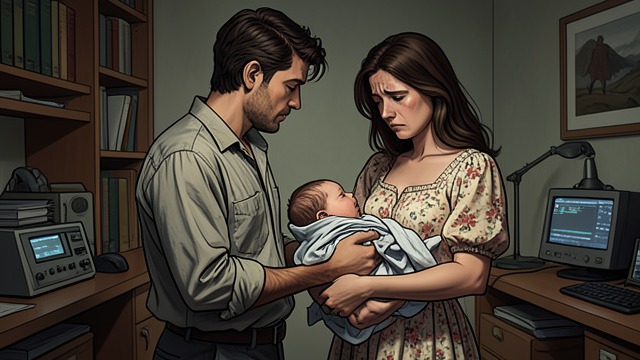
A New Family
Fatherhood Begins
Cullen and Adrianne welcomed daughters into a marriage that had begun with intense devotion. Adrianne hoped that family life would bring stability and broaden Cullen’s capacity for affection.
Affection Narrows
Cullen’s attention seemed to shift sharply from his wife to the new baby, then away from family responsibilities. His emotional distance left Adrianne carrying much of the practical work of parenting.
The family offered Cullen an identity he wanted, but it did not resolve his underlying isolation. The contrast between his desire to be loved and his inability to sustain reciprocal care grew more pronounced.
Custody Becomes a Struggle
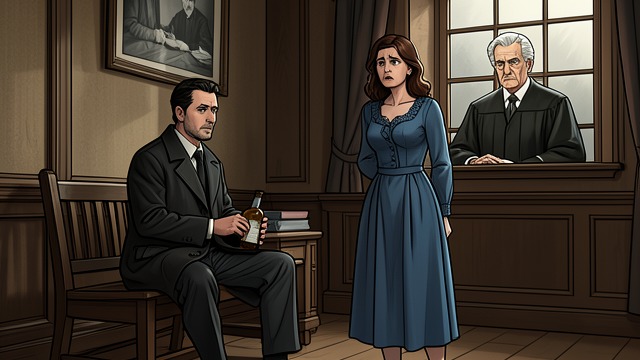
Custody Becomes a Struggle
A Father Under Review
During the divorce, Cullen sought to retain a meaningful role in his daughters’ lives. His drinking, suicide attempts, and unstable conduct became central to Adrianne’s concerns about custody.
The Court’s Assessment
A family counselor viewed repeated suicidal behavior as a profound form of rejection and abandonment of the children. Adrianne’s lawyers used the broader record to argue that the girls’ safety and stability needed protection.
Cullen wanted his children’s love but struggled to consider their needs apart from his own distress. The custody dispute exposed the gap between his imagined identity as a caring father and the effects of his behavior.
Fatherhood as Hope
Fatherhood as Hope
An Idealized Role
Cullen believed his children saw him as a caring father and hoped that keeping them close might help him become that person. Their affection offered reassurance when his relationships and work were failing.
A Fragile Bargain
He imagined that being loved by his children could remove his need to harm patients. Yet he continued poisoning patients while maintaining an idealized account of his parental role.
The hope reveals both longing and self-deception. Cullen treated family affection as something that might regulate his behavior, rather than accepting an enduring responsibility to keep patients safe.
The News Reaches Home

The News Reaches Home
A Public Accusation
When the investigation became news, Cullen worried about how his children would understand the allegations. He told his eldest daughter that he had been questioned and presented himself as a person under investigation rather than as someone who had confessed to harming patients.
A Future Altered
Cullen feared that his children would grow up known as the children of a serial killer. His crimes had made his private family life vulnerable to public attention and stigma.
The children had no role in his decisions, but they inherited consequences from them. Cullen’s concern for their future coexisted with his years of actions that had placed many other families in grief.
A Child Never Met
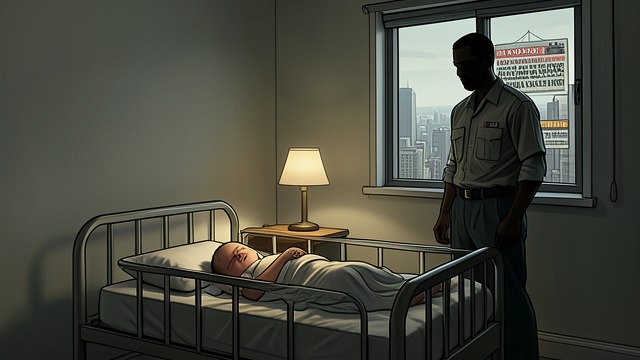
A Child Never Met
A Newborn at a Distance
Cullen’s youngest child, born after his relationship with Catherine Westerfer, grew up while he was imprisoned. He never met the child and understood that he likely would not.
Family Under Public Pressure
Cullen worried about journalists pursuing his former partner and children. Their lives were affected by the notoriety of his crimes even though they were not part of his criminal story.
The child’s absence from Cullen’s life made his claims of devotion more complicated. The family legacy of the case persisted beyond prison walls, carried by people who had not chosen it.
1988 to 1991
1992 to 1993
1993 to 2003
December 2003
2005 onward
